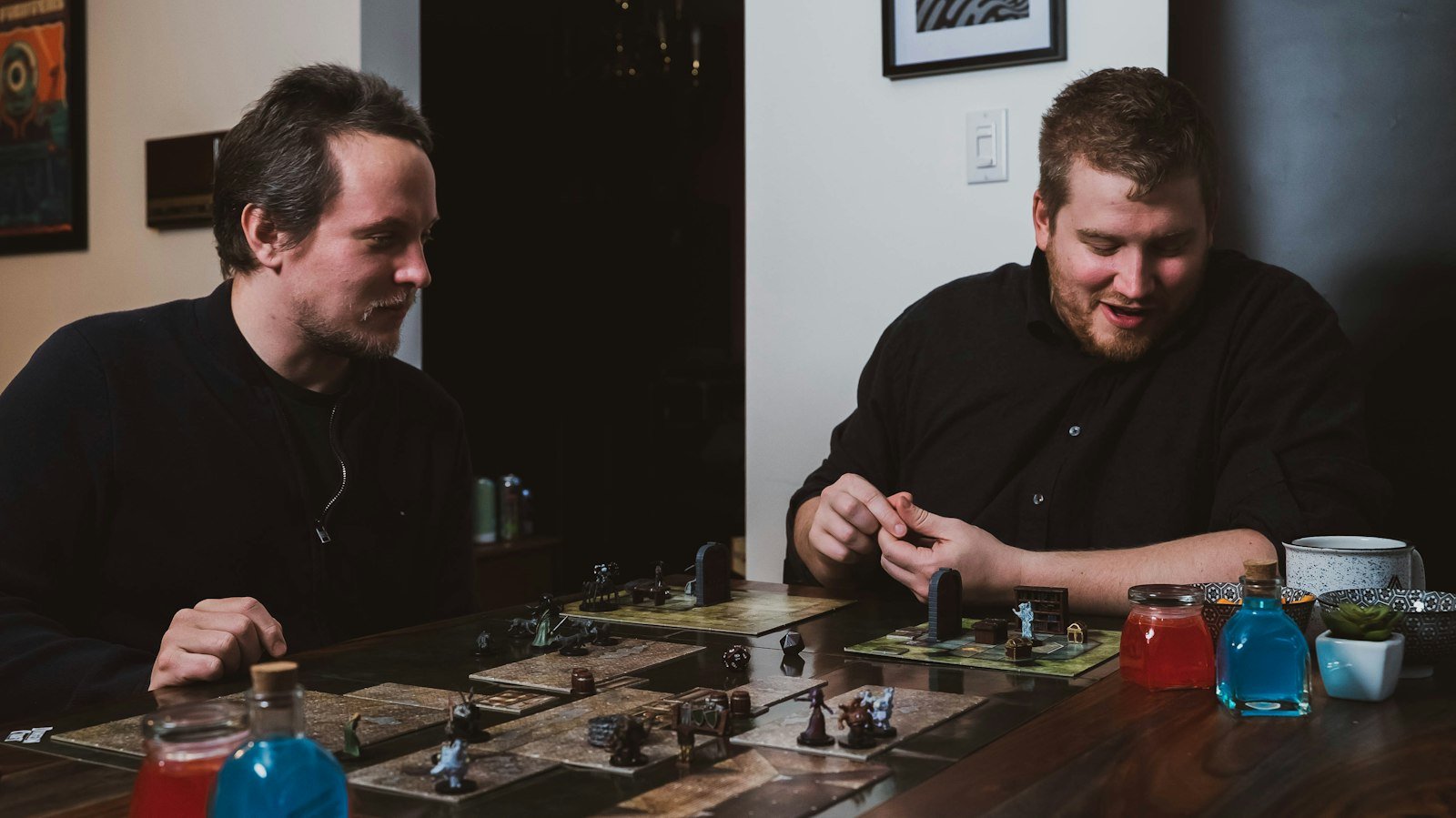
Every studio has a number it is slightly superstitious about. Ours is thirty. No game of ours goes to print until thirty people who are not Rūta or Tomas have played it, with the current rules, in a session we watched or got notes from.
Why thirty? Because ten is not enough. Ten play-tests tell you whether the game works; they do not tell you whether it works for people who read rules out of order, or who have never played a co-op, or who decide to play as badly as possible to see what happens. Somewhere around play-test twenty, the surprises stop being about the rules and start being about the people. Around thirty, the surprises stop. That is when we trust it.
What counts
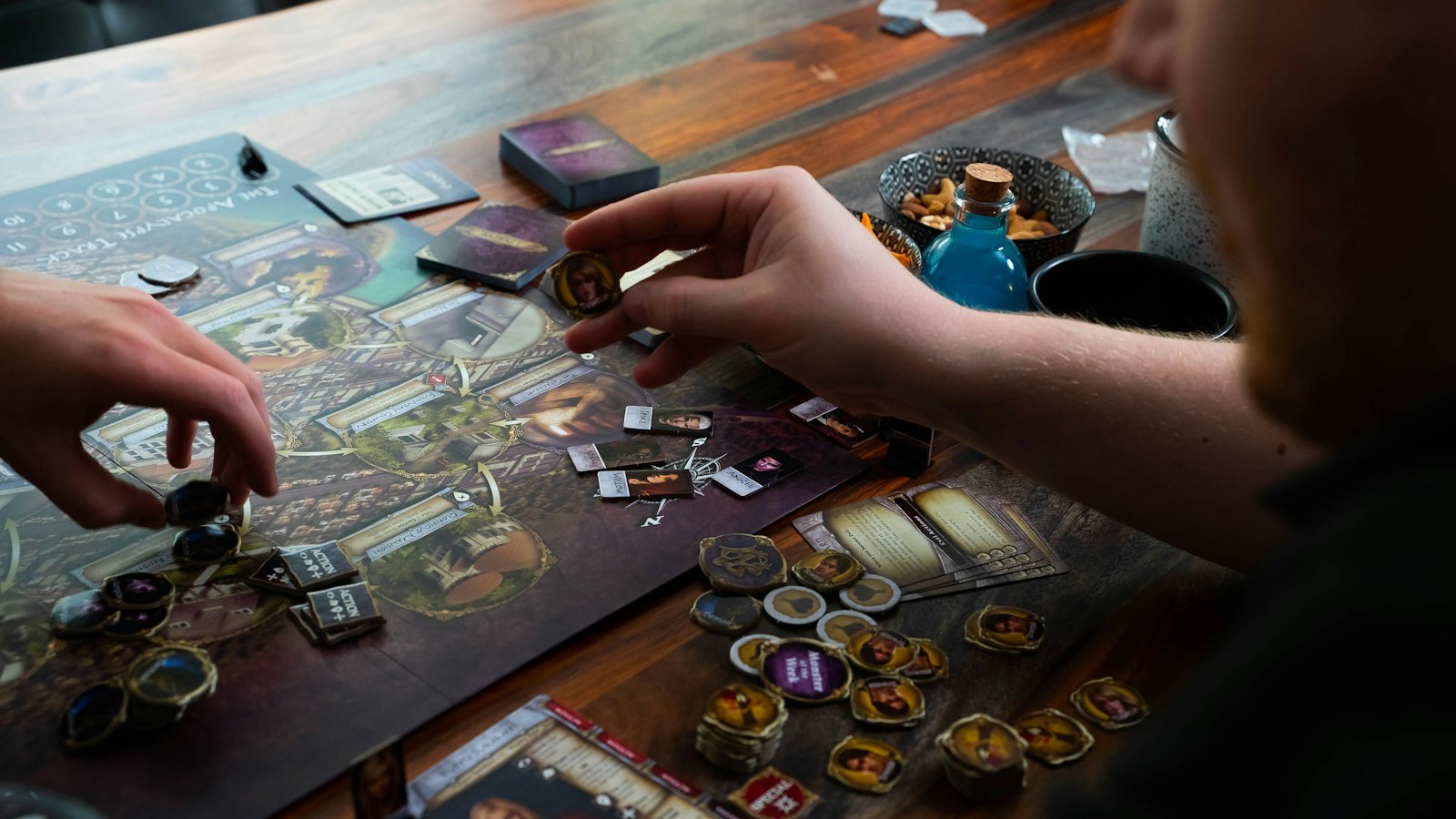
A play-test is a full game, with the current rulebook, with at least one player who has never seen the game before. Playing it ourselves does not count, though we do that constantly. A game with an old rulebook does not count either, which means a big rules change resets the counter. Lighthouse Keepers has been reset twice. It hurts, and it is the point.
What we write down
Tomas keeps a notebook per game. Each entry has the date, the player count, how long it ran, and three things: what people laughed at, where people got stuck, and what they said as they stood up. The last one is the most useful. “That was tense” means a co-op is working. “Who won?” after a co-op means it is not.
We also write down what we wanted to say and did not. If you find yourself about to explain a rule mid-game, that rule needs to change, not the player.
If you want to be one of the thirty, play-test nights in Vilnius are on the blog, and the contact page explains how to get a copy posted to you. We will read your notes. All of them. Even the rude ones, especially the rude ones.